
The Brand Action Gap: Knowing but not acting is costing your business
There’s a troubling pattern in Australian business.
According to our State of Business Branding 2026 research, 81% of business leaders recognise that branding is a key driver of competitive advantage. They understand it matters. They see the value.
And yet 40% can’t clearly articulate what makes their brand meaningfully different from competitors.
This isn’t a knowledge problem. It’s an action problem.
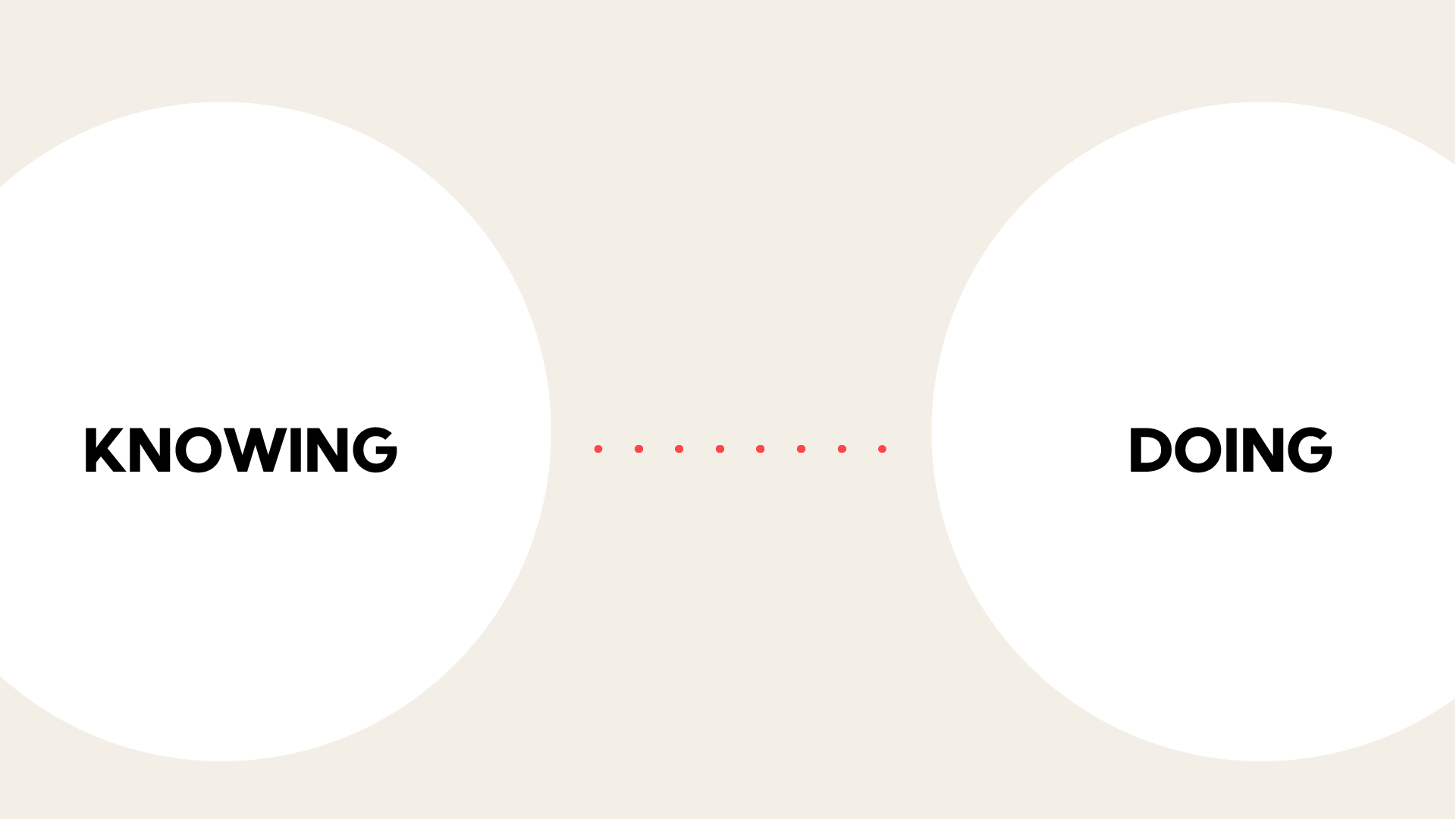
We call it the Brand Action Gap. The space between understanding the importance of brand and actually doing the work required to build, implement and sustain it over time.
This gap shows up most clearly in founder-led and mid-market organisations. Businesses that have grown, evolved or changed direction, and know brand matters, but haven’t built the systems to support it as the organisation scales.
WHAT IS THE BRAND ACTION GAP?
The Brand Action Gap exists between knowing and doing.
Leaders have read the articles, seen the case studies and understand that strong brands:
- Command premium pricing
- Build customer loyalty
- Reduce acquisition costs
- Support long-term growth
- The intellectual case is clear.
But when it comes to actual investment – strategic work, implementation, governance and a holistic brand-led approach to business – action is deferred. It’s pushed to next quarter. Next year. When budgets ease. When there’s more capacity.
The result is a widening gap between intention and reality.
- Differentiation remains unclear
- Customer touchpoints feel inconsistent
- Marketing activity lacks strategic coherence
And all the while, leadership knows brand matters, but hasn’t acted decisively on that knowledge.
WHY THE GAP PERSISTS
The Brand Action Gap persists because brand is often misunderstood.
It’s easier to think of brand as:
- A one-off project
- A visual refresh
- A marketing output with a finish line
In reality, brand is infrastructure. A system that shapes decisions, behaviour and experience over time.
Treating brand as infrastructure requires discipline. It means:
- Ongoing ownership
- Regular review
- Intentional evolution
It’s easier to apply tactical fixes, assume “everyone knows who we are”, or rely on intuition instead of measurement. But this avoidance has real consequences.
THE REAL COST OF INACTION
The Brand Action Gap isn’t theoretical. It shows up directly in commercial performance.
You compete on price, not value
Without clear differentiation, you lose leverage. Sales conversations default to features and cost rather than value and fit. Discounting becomes the path to conversion because there’s nothing else compelling customers to choose you.
Pricing power erodes. Not because your offering is weak, but because your value isn’t clearly articulated and understood.
Your customer experience is inconsistent
Your website says one thing. Your sales team says another. Your customer experience delivers something else entirely.
Each interaction becomes a gamble instead of a reinforcement. Trust erodes. Customers struggle to explain why they chose you, or know why they should return.
You waste marketing investment
Campaigns that don’t connect to a clear strategy. Product launches that confuse rather than clarify. Content that adds noise instead of building meaning.
Without strategic brand infrastructure, every marketing dollar works harder than it should.
THE REBRAND CYCLE TRAP
Many businesses invest heavily in a rebrand:
- Strategy is developed
- A new identity is launched
- Internal energy peaks
Then… everyone moves on. Guidelines sit unused. Strategy decks gather dust. New hires aren’t onboarded into brand thinking. Teams interpret the brand differently. Over time, coherence fades.
A few years later, someone observes the brand “feels off”.
So the cycle begins again. New agency. New strategy. New identity. Significant cost.
This treats brand as a project, not infrastructure. It’s the equivalent of rebuilding a house every few years instead of maintaining it.
FROM KNOWING TO DOING: HOW THE GAP CLOSES
The businesses that extract real value from brand think differently.
They understand that brand isn’t something you do once. It’s the central operating system for how a business shows up, behaves and grows.
BRAND AS INFRASTRUCTURE, NOT A PROJECT
When brand sits at the centre:
- Product decisions align with positioning
- Hiring reflects values and culture
- Customer experience reinforces promise
- Marketing expresses what already exists
The brand still evolves, but intentionally. With rationale. With alignment. Not accidentally.
Organisations achieving 20–30% higher long-term ROI from brand investment aren’t doing radically different work. They’re doing the foundational work, and then actively using it.
THE ROLE OF STRUCTURED BRAND REVIEWS
Only 29% of businesses in our State of Business Branding research conduct structured brand reviews.
The rest address brand reactively, when something feels broken or capacity appears. This is backwards.
A structured brand audit creates clarity:
- Where you think your brand is vs where it’s actually experienced
- What’s working vs what’s quietly eroding trust
- Where small changes can unlock disproportionate value
A proper audit assesses:
- Brand strategy and positioning
- Visual and verbal identity
- Customer experience across touchpoints
- Internal alignment and enablement
- Competitive differentiation
Most importantly, it creates a baseline. You can’t optimise what you haven’t measured.
WHY BRAND OWNERSHIP MATTERS
The businesses closing the Brand Action Gap don’t just audit their brands, they assign ownership.
They appoint a brand guardian (or unofficial ‘chief brand officer’) responsible for:
- Maintaining strategic clarity
- Onboarding new team members or third parties on brand usage
- Governing implementation
- Ensuring the brand is used consistently and well
This role protects the original investment and ensures brand continues delivering value year after year.
THREE PRACTICAL STEPS TO STRENGTHEN YOUR BRAND NOW
The question isn’t whether your brand matters. Business leaders already know it does.
The question is whether you’re treating it with the seriousness its importance demands.
1. Complete the Brand Strength Quiz
Get a clear diagnostic of how your brand performs across the pillars that drive business performance. Identify gaps and understand where to focus first.
2. Pick three quick wins from your weakest pillar
Don’t try to fix everything at once. Focus on the area creating the biggest drag on performance and implement three improvements this month. Momentum compounds.
3. Start tracking five brand health metrics
What gets measured gets managed. Track:
- Lead conversion rate
- Lead-to-customer conversion rate
- Customer satisfaction / NPS
- % of deals won without discounting
- Referral and repeat business rate
These indicators reveal whether your brand is doing the commercial work it should.
START CLOSING THE GAP
The cost of the Brand Action Gap compounds quietly. Every month brand matters but isn’t acted on strategically:
- Differentiation weakens
- Pricing pressure increases
- Competitors gain ground
- The good news is the gap can close.
It starts with an honest assessment. A brand audit transforms vague awareness into clear direction. Showing exactly where to act for the greatest return.
If you’re ready to stop knowing and start doing, book a brand audit.
BRAND ACTION GAP FAQS
What is the Brand Action Gap?
The Brand Action Gap is the disconnect between recognising that brand is important and taking consistent, strategic action to build, manage and optimise it over time.
How do I know if my business has a Brand Action Gap?
Common signs include unclear differentiation, inconsistent customer experience, heavy reliance on discounting, and repeated rebrands without sustained impact.
Is branding still important in tough economic conditions?
Yes. It’s particularly important in constrained markets. Strong brands reduce acquisition costs, protect pricing power and build trust when customers are more selective.
How often should a brand audit be conducted?
Most growing organisations benefit from a structured brand audit every 12–24 months, or following significant business change.
What’s the difference between a rebrand and brand optimisation?
A rebrand resets visual and strategic elements. Brand optimisation focuses on using, governing and evolving existing brand infrastructure to maximise return.

Written by: Jodie de Vries
Published: January 21, 2026