
Why your brand is indispensable in 2026 amidst the rise of AI
Something interesting is happening in 2026. After years of chasing performance tactics and the latest AI tools, the market is shifting back to something more fundamental.
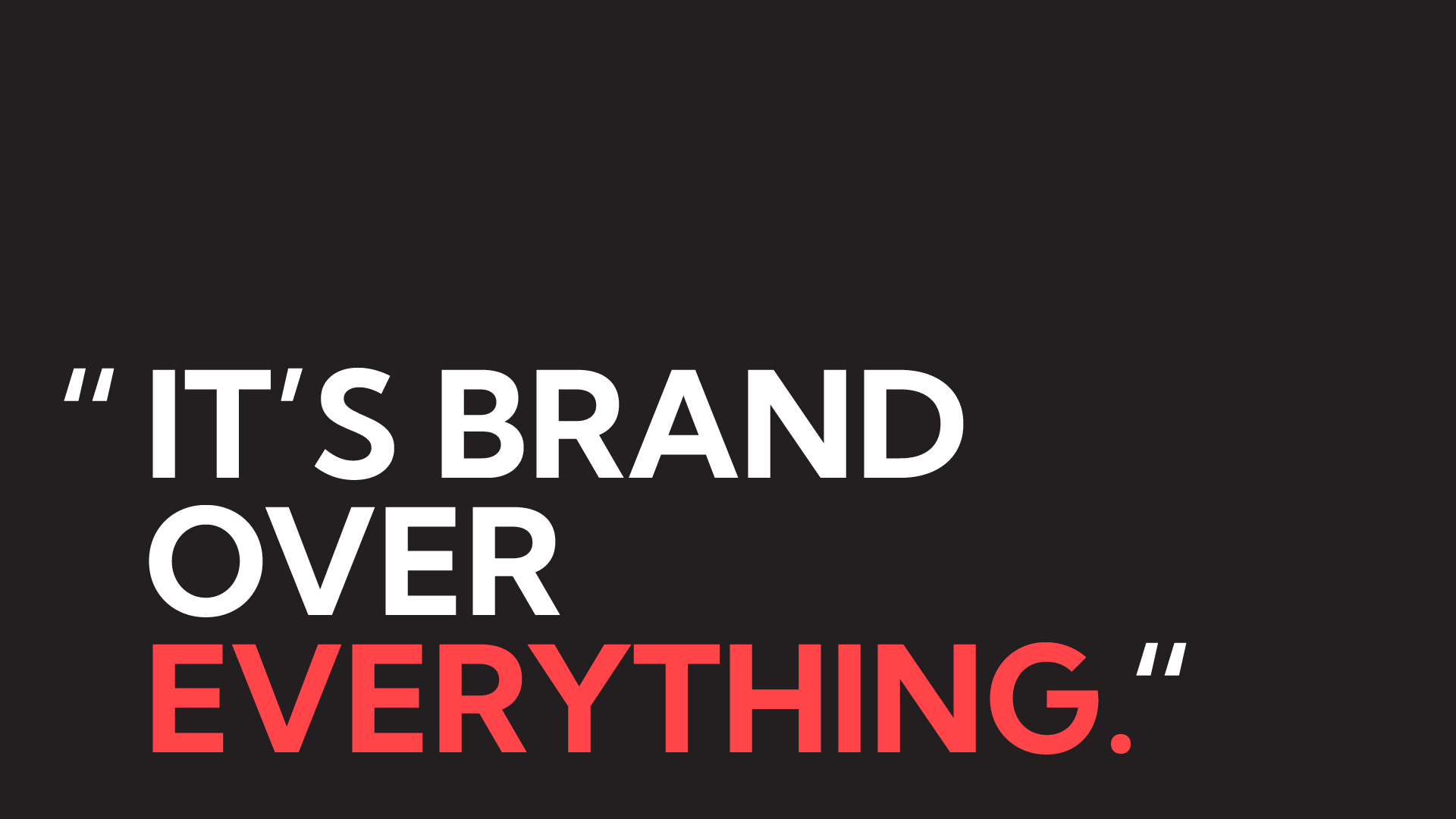
Gary Vaynerchuk put it plainly at a recent Intercom Ultimate AI Playbook for 2026 keynote: “Brand, brand, brand, brand, brand. I believe we are entering the era where it’s brand over everything because everything else is a commodity.”
WHAT THE DATA IS SHOWING
McKinsey’s State of Marketing Europe 2026 report surveyed 500 senior marketing leaders across France, Germany, Italy, Spain, and the UK. For the first time in years, branding has moved to the number one priority. Ahead of performance marketing. Ahead of martech investments. Ahead of generative AI.
The reason is straightforward. Performance models have become less effective over the past three years. Media volatility has increased. Companies are realising they have one stable source of growth left, the strength of their brand.
The numbers tell the story. Companies with clear brand strategies achieve 20-30% higher long-term ROI and rely less on fluctuating traffic costs. Brands that focused only on tactics have lost momentum. Brands with meaning have kept it, and in many cases increased it.
This feels like a return to fundamentals. The report defines branding as a system discipline: meaning, positioning, emotional differentiation, cultural relevance, and trust. These aren’t new concepts. They’re just the things that actually work when everything else becomes commoditised.
Here in Australia, we’re seeing the same pattern. Our State of Business Branding 2026 research surveyed 164 business leaders across 12 industries, and what emerged was striking. 81% of leaders believe branding is a key driver of competitive advantage. Yet a significant 40% aren’t convinced their brand communicates a clear point of difference.
This is what we’re calling the Brand Action Gap. Leaders know brand matters. They understand its power conceptually. But between that understanding and actual execution sits a chasm of missed opportunity. Most businesses manage brand reactively, based on available capacity rather than strategic intent. Only 29% run structured brand reviews. The rest handle it ad hoc, or revisit it only at major milestones.
The gap isn’t about awareness. It’s about discipline.
THE AI REALITY CHECK
And here’s where it gets urgent. AI has democratised content creation in ways that seemed impossible just a few years ago. Your competitor can now generate the same images, the same copy, the same ideas in seconds. The playing field isn’t just level, it’s flooded.
Without a clear brand strategy and tone of voice, you’re essentially asking AI to make you sound like everyone else. You’re adding to the noise rather than cutting through it.
If you don’t truly know who you are as a brand, how can a machine express it for you? Your brand framework isn’t just strategic anymore, it’s practical. It’s the context that prevents you from becoming invisible in a sea of AI-generated sameness.
BRANDING AS INFRASTRUCTURE
McKinsey calls it “interactive branding”, ongoing dialogue, adaptive identity, and clear, meaningful leadership. Really though, it’s about knowing who you are completely enough that you can adapt on the fly without losing yourself, and can engage meaningfully with your customer in that moment.
Your brand identity system is your foundation. It ensures that when you generate ideas, when you create content, when you show up in any channel, your organisation acts and sounds distinctively like ‘you’. Not like a template. Not like your competitor. Like you.
Technology and AI are powerful tools. But they cannot be your core. They cannot replace the fundamental connection that brands create. They cannot give you meaning when you haven’t defined it yourself.
HOW TO START BUILDING AN AI READY BRAND
If you’ve been putting off brand work, the strategy, the positioning, the tone of voice framework, this might be the moment to reconsider.
Not because the market says so. But because the conditions have changed. What worked three years ago when you could optimise your way to growth isn’t working the same way now. The brands that are growing are the ones with clear brand strategies and strong brand identities.
Think about these questions:
- Do you know exactly who you are and who you serve?
- Can you articulate what makes you meaningfully different?
- Do you have frameworks that ensure consistency across your organisation?
- Are you investing in brand as a long-term strategic asset?
If you’re already doing this work, brilliant. You’re ahead of the curve. If you’ve been procrastinating, well, the data suggests now might be the time to get moving. We have decades of strategic brand building experience, if you’d like to discuss building a stronger AI ready brand, get in touch.

Written by:
Jodie de Vries
Published: January 14, 2026